A septic alarm can be alarming, especially when you are not sure what triggered it. But hearing that alarm does not necessarily mean your entire septic system has failed. On homes around Whidbey Island, Anacortes, Oak Harbor, and Coupeville, WA, a high-water alarm may point to something as simple as a pump, float, or electrical problem, or it may indicate that wastewater is entering the pump chamber faster than the system can move it.
The Washington State Department of Health notes that high-water alarms can have several causes, including pump and float problems or an excessive amount of water entering the system. The important thing is to respond promptly rather than ignore the alarm. Limiting water use and checking for obvious issues can help prevent the situation from becoming more serious while you determine whether professional service is needed.
In this guide, we explain what to do during the first few minutes after a septic alarm goes off, what common warning signs can tell you, and when it is time to contact a septic tank pumping and inspection service for help.
Start With the Most Important Step: Stay Calm
A loud alarm creates urgency, yet opening buried components or handling electrical equipment can turn a small issue into a larger one. A typical septic alarm system simply monitors the wastewater level in the pump chamber and signals when it climbs higher than intended.
Treat the alarm as an early warning and leave the full diagnosis to a professional.
Quick first-response checklist
- Note whether the alarm is audible, visual, or both.
- Look for a silence button on the alarm panel.
- Cut back on water usage throughout the home.
- Watch for slow drains, gurgling, or unusual odors.
- Call a licensed septic professional if the alarm stays on or returns.
The Department of Health advises conserving water when an alarm sounds and contacting a licensed professional after silencing it.
Safe first moves | Moves to avoid |
| Silence the horn at the alarm panel | Opening the tank lids |
| Reduce water use right away | Touching wiring or control equipment |
| Write down when the alarm began | Assuming a quiet alarm means a fixed problem |
| Call a septic professional | Waiting several days to see what happens |
Check the Alarm Before You Check the Yard
Start at the panel for your septic tank alarm before heading outside. Many panels allow you to silence the horn, which quiets the sound while leaving the cause untouched. A septic alarm reset is therefore very different from septic alarm repair, because the alarm will return if the high water level remains.
That return is useful information. Basic septic alarm troubleshooting ends at the panel, and the system is telling you that something still needs attention.
Reduce Water Use Until You Know What Is Happening
Everyday routines add up faster than most people realize. A shower, a laundry load, and a dishwasher cycle in the same morning can send a large volume of wastewater toward a system that is already running high. Pausing these activities gives the wastewater system room to recover while you wait for help.
For the time being, avoid:
Household activity | Why pause it? |
| Laundry | Adds a large volume of wastewater at once |
| Long showers or baths | Sends steady flow into the tank |
| Dishwasher cycles | Adds more water to a system under stress |
| Several plumbing fixtures running together | Raises the load on the system |
Quick Tip: If the alarm sounded after a busy stretch of household water use, jot down what was happening beforehand. That detail can help a technician understand the circumstances.
Look for Signs of a Backup, but Keep Your Distance
An alarm often arrives alongside other septic system warning signs. The EPA lists slow drains, gurgling, standing water near the tank or drainfield, sewage odors, and a sewage backup in household plumbing as indicators of a malfunction.
A simple comparison
What you notice | What it may mean |
| Alarm only | A high-water condition or equipment issue needs evaluation |
| Alarm plus slow drains | The system may be struggling to move wastewater |
| Alarm plus standing wastewater | Treat the situation as urgent |
| Alarm plus sewage inside the home | Stop using affected fixtures and call for help promptly |
Sewage can carry harmful pathogens, so keep away from it and follow guidance from your local health authority.
Don’t Ignore an Alarm That Keeps Coming Back
When a septic alarm keeps going off, something is causing it, even if the horn eventually stops. Repeated warnings deserve more attention than a single event, because they often point to a pump, float, or circuit issue rather than a one-time surge in water use.
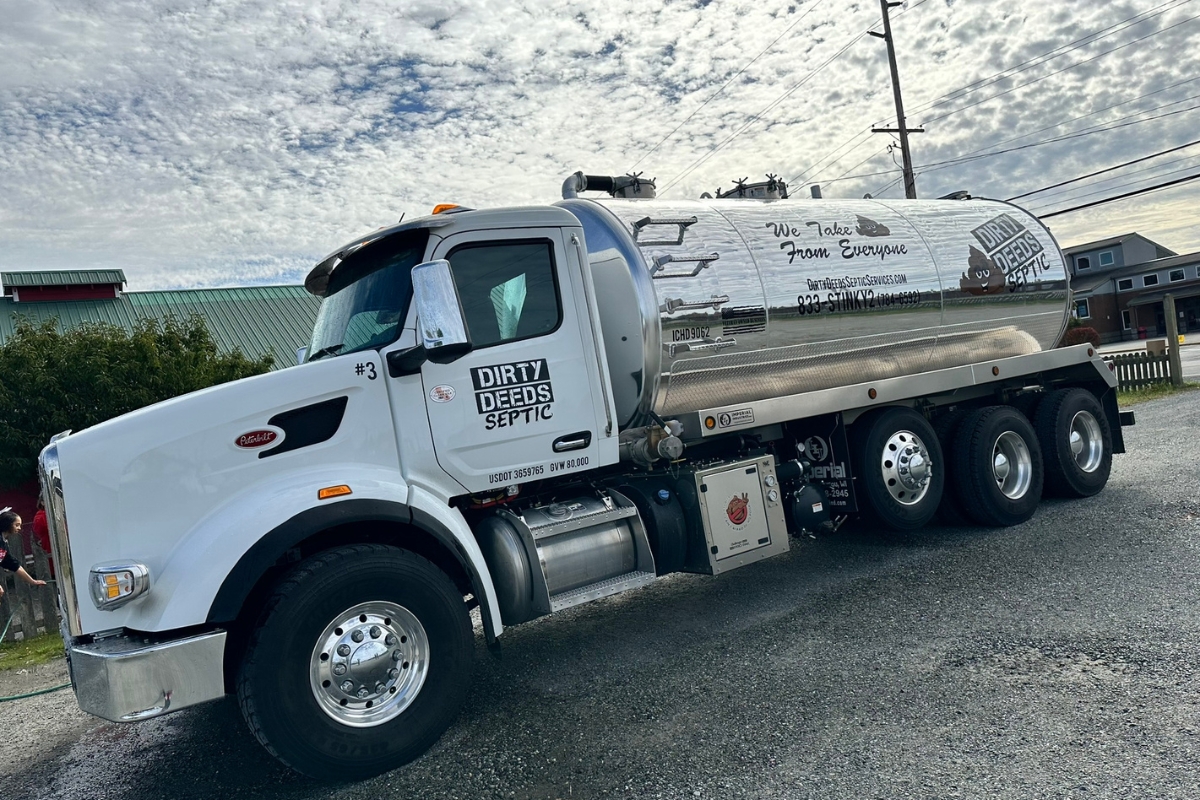
Local help matters here. Dirty Deeds Septic offers septic service Whidbey Island homeowners rely on, with coverage across Island and Skagit counties, and the company says it takes emergency calls 24 hours a day.
When a Septic Alarm Becomes an Emergency
Some situations call for faster action than others. Consider emergency service if you notice:
- An alarm that persists or keeps returning
- Sewage backing up into toilets, sinks, or showers
- Wastewater surfacing near the tank or drainfield
- Strong sewage odors around the system
- A suspected pump failure with rising wastewater
Dirty Deeds Septic lists septic alarm and emergency service among its offerings, making it a practical call when you need septic system services in Whidbey Island, Anacortes, Oak Harbor, Coupeville, WA outside normal hours.
The goal is not a quiet alarm. The goal is understanding why it sounded.
What Usually Causes a Septic Alarm?
A septic system alarm doesn’t point to one specific failure. It reports that the system has reached a condition that needs attention. These are the usual suspects:
1. High wastewater level
Too much inflow in a short period can push the pump chamber past its normal level.
2. Pump failure
A struggling septic pump lets wastewater collect, which can trigger a septic pump alarm.
3. Float or control problem
Floats track the water level so that a faulty one can disrupt normal operation.
4. Electrical problem
If an electrical problem affects the pump circuit, contact a qualified professional.
5. Excessive water entering the system
A sudden rise in household use can overwhelm the chamber.
6. An underlying septic system problem
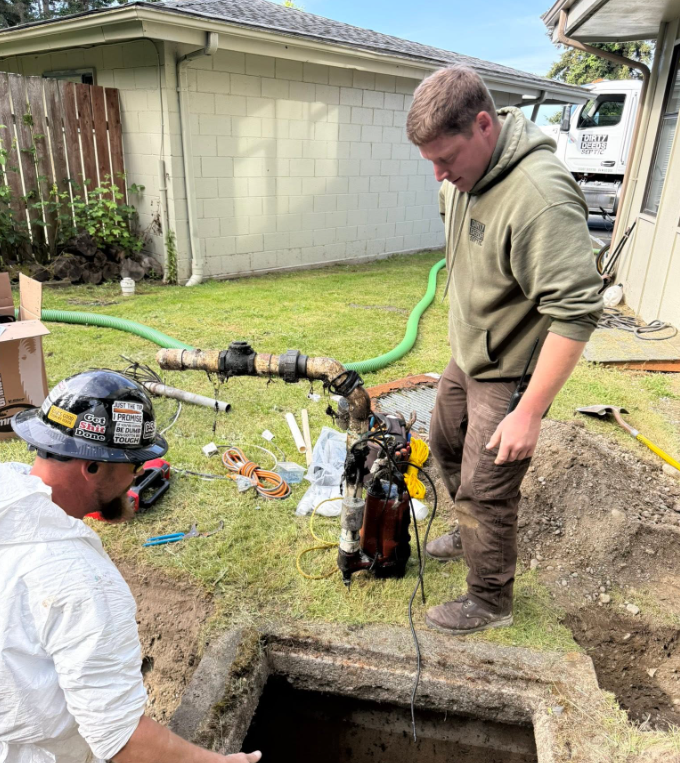
The alarm may be one symptom of a larger issue involving the tank, pipes, or drain field, which is why professionals should evaluate septic tank alarm problems.
The Numbers Explain Why Septic Maintenance Matters
Statistic | Why it matters |
| About 950,000 onsite sewage systems in Washington | Septic systems are central to the state’s wastewater treatment |
| About one-third of Washington residents are served by septic systems | Many neighbors depend on these systems daily |
| About 20% of U.S. households use septic systems | The issue reaches well beyond one region |
| 10% to 20% of systems may fail during their lifetimes | Routine care matters because failure is not rare |
Sources: Washington State Department of Health and the EPA.
Prevent the Next Alarm Before It Becomes a Bigger Problem
A reliable septic alarm troubleshooting guide is one you rarely need because you maintain the system consistently. The EPA generally recommends inspecting a tank every 1 to 3 years and pumping every 3 to 5 years, depending on tank size, household size, and water habits.
Task | Typical timing |
| Professional inspection | Every 1 to 3 years |
| Pumping | Every 3 to 5 years |
| Water habit review | Ongoing |
| Drainfield protection from vehicles | Ongoing |
At Dirty Deeds Septic, our pumping service includes a visual inspection, a check of the soil treatment area, a look at the operating level in the tank, a review of the inlet, outlet, and mid-tank baffles, outlet filter cleaning, and filing of the pumper’s report with the county. Homeowners seeking professional septic tank pumping and maintenance services across Whidbey Island, Oak Harbor, Coupeville, Anacortes, WA, receive that detail along with the service itself.
A practical septic maintenance checklist
Keep these habits in mind all year:
- Track the date of the last pumping.
- Schedule septic system inspection visits on a regular basis.
- Notice changes in drainage or plumbing behavior.
- Spread laundry across the week.
- Keep heavy vehicles off the drainfield.
- Respond quickly to recurring alarms and wet spots.
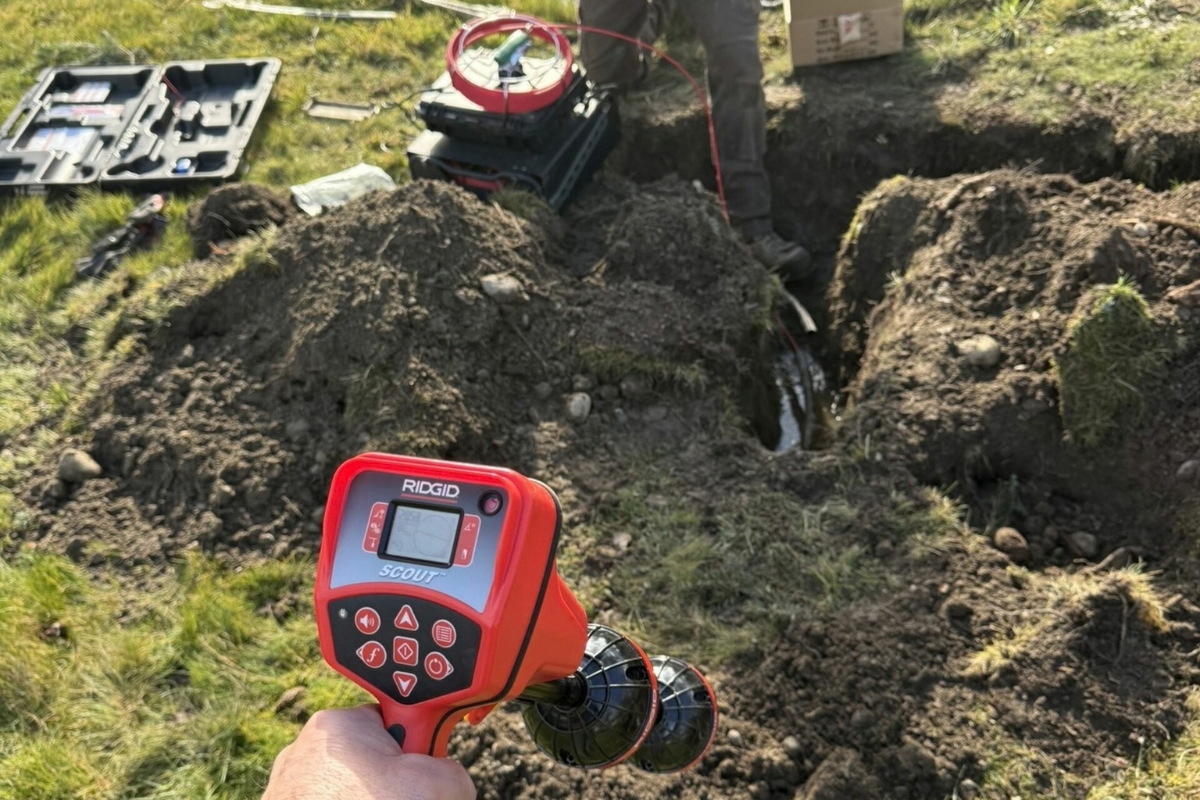
Our crew at Dirty Deeds Septic provides septic tank inspection, pumping, and repair services for homeowners in Whidbey Island, Anacortes, Oak Harbor, and Coupeville, WA. Each inspection checks the tank, the drain field, and the pipes that connect them. When something looks off, such as slow drains or soggy ground near the drain field, we can run a camera through the lines to see exactly what is happening inside.
A Septic Alarm Is a Warning Worth Listening To
An alarm gives you time to act before a manageable issue becomes a backup. Silence the horn, cut water use, watch for warning signs, and call a professional if it persists.
Dirty Deeds Septic serves homeowners across Whidbey Island, Oak Harbor, Coupeville, Anacortes, WA, and nearby communities with septic system pumping, inspections, repairs, drain field repairs, installations, service calls, lift stations, and emergency calls.
Call us at (833) 784-6592 to schedule service and have your system evaluated before a small warning turns into a larger disruption.