Introduction
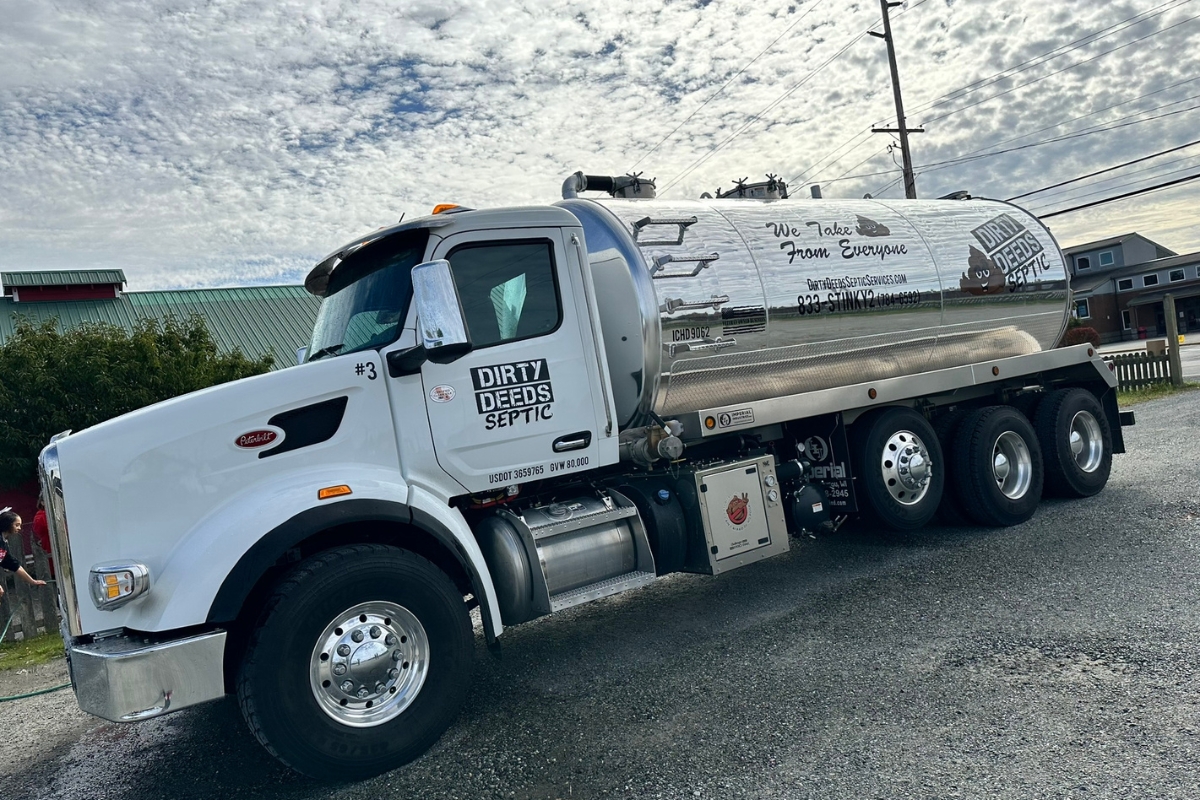
Groundwater doesn’t forgive a hidden septic failure. A tank that silently leaks into the soil around it is not only a threat to a homeowner’s wallet, but it can contaminate the same aquifer that feeds the household’s own drinking water, and it can kill a home sale before a buyer even signs an offer. We built Dirty Deeds Septic to catch that failure long before it becomes anyone else’s problem.
This guide breaks down what Washington law and local county code actually require when a septic system changes hands with a home sale. We’ll walk through septic inspection requirements, the records buyers and sellers need to track down, the problems that most often stall a closing process, and the questions no buyer should skip asking.
Septic Rules for Sellers
In this state, selling a house on septic isn’t just about filling out a disclosure form. Local ordinance often imposes additional rules on top of what the state requires, and that layering is what catches sellers off guard.
Why This Rule Exists Where It Does
The reasoning traces back to water, not plumbing. In 1982, the EPA designated Whidbey and Camano Islands a Sole Source Aquifer, which means that the region’s drinking water is entirely dependent on groundwater, with no backup source. Approximately 72 percent of Island County residents don’t have municipal sewer hookups and instead rely on on-site sewage systems, so a failed wastewater system is not just a private inconvenience; it’s a shared threat to the very ground that provides everyone’s water.
What the Law Actually Requires at Transfer
Washington state law and Island County code have required a septic system inspection at every property transfer since 2008, well ahead of most of the state. That inspection must be performed by a licensed maintenance provider, and it must be filed before closing. Traditional gravity and pressure systems are compliant if inspected in the last three years, while alternative systems such as pump-driven and sand filter designs are compliant only if inspected in the last year. If you miss that window, you will need a new septic inspection before selling, no matter what kind of system you have.
Nearly three out of four home sales in this region legally hinge on a single inspection report.
Required Inspections
A septic inspection for a home sale is a distinct process from a general home inspection, and it requires a specialist familiar with on-site sewage system design, not a general home inspector.
How the Compliance Window Actually Resets
The compliance clock does not reset because a system was pumped. Pumping and inspecting are two separate services, and only a documented inspection by a licensed provider meets the transfer requirement. A tank last pumped a year ago but not formally inspected is still overdue at the point of sale.
Who Is Allowed to Perform It
Homeowners who have finished county-approved training can self-inspect conventional systems for routine maintenance, but that exemption does not apply to a sale. The inspection, regardless of the type of system or who owns the system, must be done by a licensed maintenance provider at the time of transfer.
Inspection Step | What It Actually Confirms |
| Tank condition check | Structural integrity, lid access, baffle condition |
| Drainfield function test | Drainage rate, surfacing, root intrusion |
| Component review | Pumps, alarms, distribution boxes on alternative systems |
| Compliance history check | Whether the property falls inside or outside its inspection window |
Preparing Your System
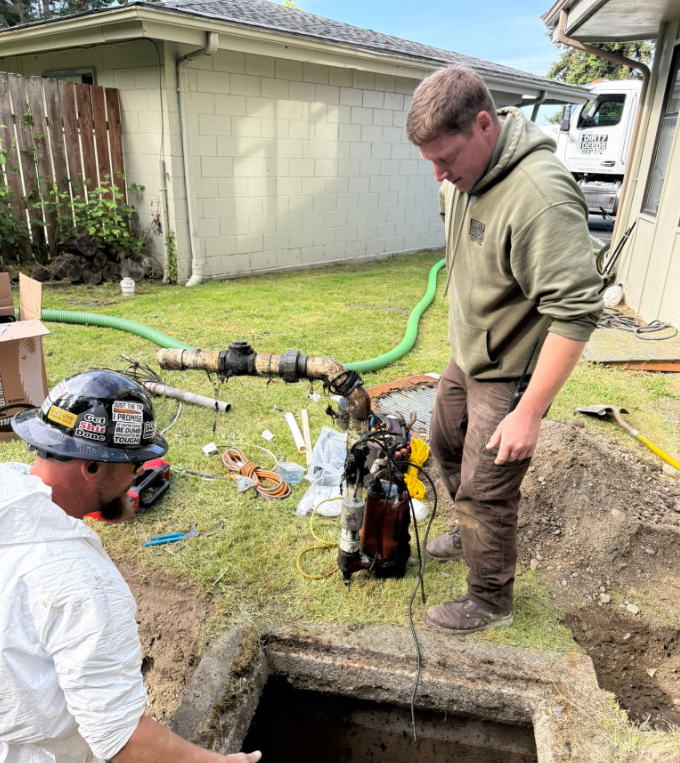
A little preparation before the inspector arrives changes the outcome more than most sellers expect. By finding the access lids, removing the old service records, and reducing your water use for a day or two ahead of time, you give the inspector a clean, accurate reading.
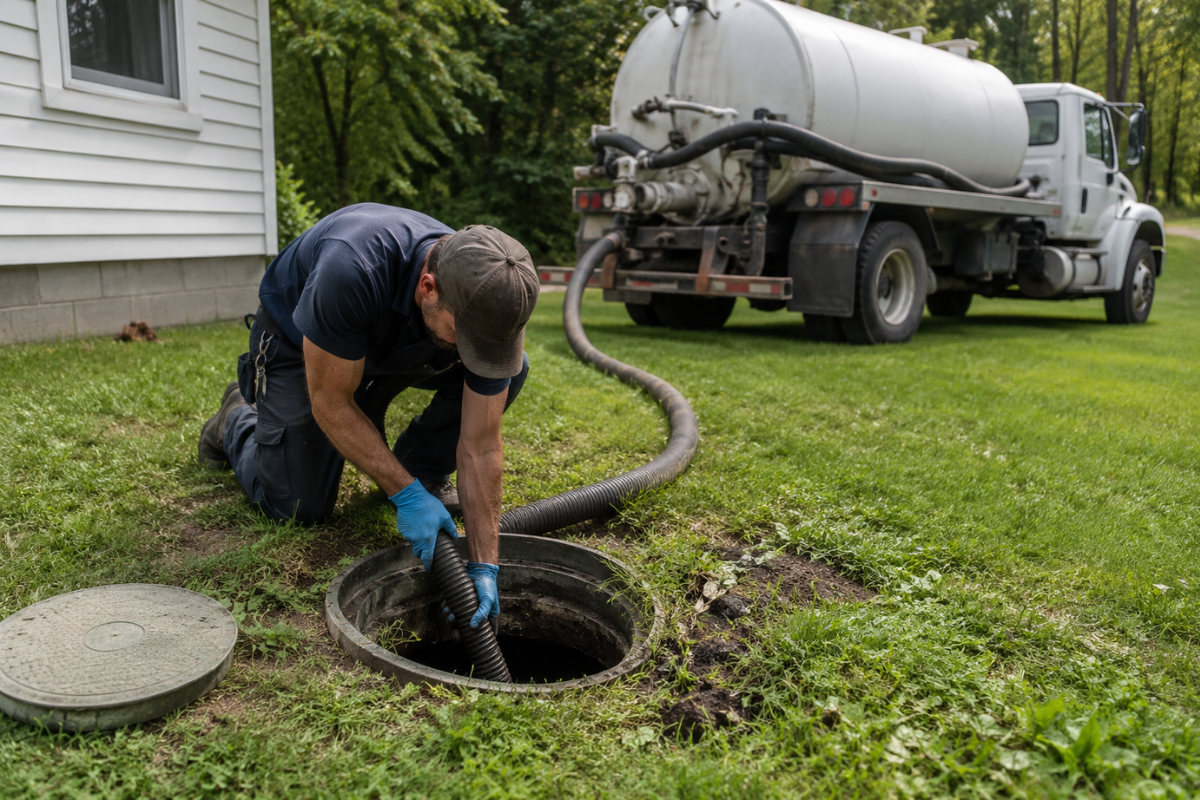
Septic tank pumping before sale often gets recommended for a reason that has nothing to do with odor. A tank sitting near capacity can mask cracks, baffle failure, or scum layer problems that only become visible once solids are cleared out. We provide septic pumping in Whidbey Island, Anacortes, Oak Harbor, Coupeville, WA, timed specifically around listing and closing dates so sellers aren’t scrambling at the last minute.
- Locate and expose every access lid before the appointment.
- Gather maintenance history and any prior permits.
- Reduce heavy water use for 24 to 48 hours beforehand.
- Schedule septic tank pumping if the tank hasn’t been serviced recently.
- Confirm the drainfield area is visible and unobstructed.
Finding Septic Records
Missing paperwork is one of the most common reasons a real estate transaction stalls near closing. Septic maintenance records and permit history are typically held by the county health department rather than by the homeowner, which surprises a lot of sellers who assume they should have kept the file themselves.
Most counties in this region now host septic system records through online portals: one system holds the original as-built drawings and permit history, while a separate inspection database holds the actual inspection report results. A home buyer or their agent can pull these before ever setting foot on the property, and increasingly does.
If records can’t really be found, a new septic professional inspection essentially begins the history of the system from scratch, giving both sides something tangible to negotiate around instead of speculation.
Common Inspection Problems
Certain issues turn up again and again on pre-sale septic system inspection visits. Recognizing them early gives a property owner time to act before they threaten the timeline.
Common Problem | What It Usually Means for the Sale |
| Drainfield problems | May require repair or partial replacement before financing clears |
| Sewage backup in the history | Raises red flags with lenders reviewing system compliance |
| Undersized or aging tank | Buyer may request an upgrade as a sale condition |
| Missing permits | Delays closing until records are located through the county |
| Poor septic system condition overall | Can trigger renegotiation of terms mid-transaction |
Repair Before Closing
Once an inspection turns up a problem, septic repair before selling is almost always the faster path compared with negotiating it after the fact, buyers are more likely to view visible repair effort favorably than an unresolved red flag sitting in the file.
Lenders add their own pressure here too. Most FHA, VA, and USDA-backed loans require proof the sewage system is working before the loan can be fully approved, so a current failure is not just something that makes the sale harder; it can put the financing at risk altogether. Our team handles everything from targeted system repairs to full drainfield restoration, so sellers can close out problems before a buyer’s lender ever flags them.
Buyer Questions
A home buyer looking at a property with a septic system should walk in with a specific list of questions. A septic inspection for buyers isn’t a courtesy; it’s protection against inheriting an expensive, hidden liability.
- When was the last septic tank inspection actually completed, and by whom?
- Is there a documented septic system maintenance history on file with the county?
- Has the wastewater system ever backed up or required emergency service?
- Are permits and as-built drawings available through the county’s online records?
- What type of system is installed, and when does its compliance window expire?
Washington’s disclosure law requires a home seller to disclose known material defects in writing and gives the buyer typically three business days after receiving that disclosure statement to change his or her mind about the agreement. A thorough septic inspection for sellers to provide upfront tends to make most of these questions moot before a buyer even has to ask.
Plan Ahead
Timing is more important than most people realize until they are on a deadline. Washington is rolling out a statewide inspection-at-sale rule that will apply to every county by February 1, 2027; Snohomish County just adopted its version this year. Island County didn’t have to play catch-up because its own rule has been in effect since 2008.
A home that already meets 2027’s statewide standard today has an advantage every buyer’s lender will notice. Scheduling a septic inspection now, as Washington requirements will eventually mandate everywhere, gives sellers here a head start most of the state doesn’t have yet.
We recommend requesting septic system services in Whidbey Island, Anacortes, Oak Harbor, Coupeville, WA several weeks before listing, not after an offer lands. That window leaves room for pumping, repairs, and records requests without compressing everything into the days before closing.
What This Means for Your Closing Timeline
Selling or buying a home with a septic system doesn’t have to derail a real estate transaction, but it does require treating the septic inspection checklist as seriously as any other closing document. Understanding septic property transfer rules, gathering septic system records early, and resolving septic system problems before a lender does it for you keeps everything on schedule.
Dirty Deeds Septic provides Septic Inspection in Whidbey Island, Anacortes, Oak Harbor, Coupeville, WA, along with pumping, repairs, and full evaluations built specifically around real estate deadlines. Our team understands exactly what a local health department, a lender, and a buyer’s agent each need to see before a file is considered complete.
Whether you’re preparing a septic system disclosure as a seller or reviewing one as someone who’s buying a home with septic, don’t wait for someone else to review the file and find a problem. Contact us at (833) 784-6592 to schedule pumping service or an inspection well ahead of your closing date.