Most homeowners never think about their septic system until something goes wrong. It’s the unsung hero that works quietly under your lawn, cleaning up thousands of gallons of wastewater every year. But here’s the thing: neglecting simple septic maintenance doesn’t just make things harder for you; it also puts your health at risk, harms the environment, and costs a lot of money to fix. Your drain field is quietly breaking down, one flush at a time. By the time you notice, the damage might already be done. We at Dirty Deeds Septic specialize in drain field repair and septic system care, and we’re here to help you dodge disaster.
This guide gives you proven septic system tips that protect your investment and keep your home septic system running smoothly for decades. We’ll talk about how often to pump, what to look out for, and useful habits that can really help with your wastewater treatment at home.
Understanding How Septic Systems and Drain Fields Function
There is more to your septic system than just pipes in the ground. It is a real, living biological treatment facility that needs the right amount of bacteria, water flow, and soil conditions to work well.
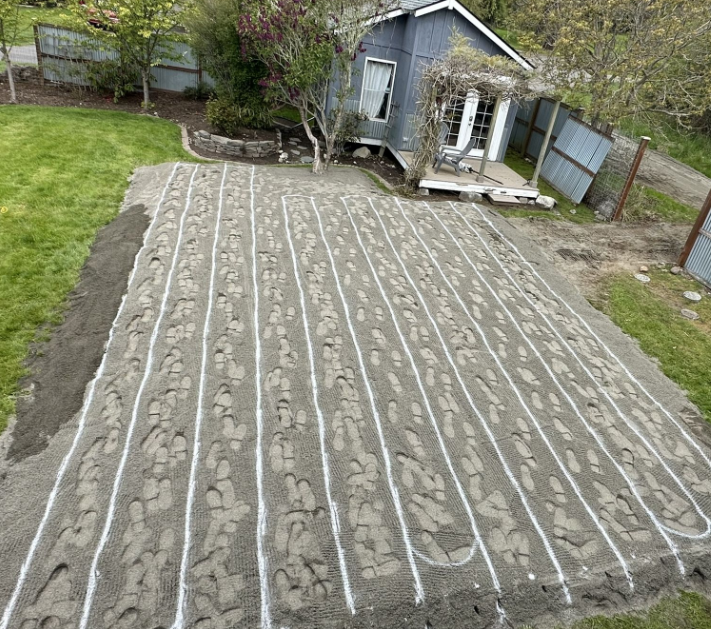
When dirty water leaves your house, it goes to the septic tank, where gravity takes care of it. Heavy solids sink and make sludge. Oils and grease float up as scum. The middle layer of clearer liquid then flows out to the drain field through perforated pipes buried in gravel trenches. As liquid seeps into the soil, beneficial bacteria remove harmful stuff before it reaches groundwater.
Here’s the catch: your drain field is alive. It needs oxygen, good bacteria, and proper soil structure. Mess with any of these, and the whole system tanks. Most drain fields last 15 to 30 years, but poor maintenance can cut that in half. The three biggest killers? Solids escaping from an unpumped tank, soil getting compacted by vehicles, and water overload from excessive use.
Smart Septic Habits That Save You Money
Protecting your septic system doesn’t need fancy equipment or special training. You just need consistent habits and some common sense. Let’s get into the practices that keep septic drain field problems away.
1. Pump the Tank on a Regular Schedule
Septic tank pumping is non-negotiable. As solids pile up at the bottom of your tank, they eventually overflow into your drain field. Once that happens, those solids clog the soil for good. You can’t unclog soil—you can only replace it, and that’s expensive. Most tanks need pumping every three to five years, but your schedule depends on tank size, household size, garbage disposal use, and water consumption. Don’t wait for backups or alarms—be proactive.
2. Use Water Wisely to Avoid Overloading the Drain Field
Your drain field can only handle so much water at once. Overload it, and water backs up into your home or pools on your lawn. The average household uses up to 70 gallons of water per person daily. That’s a lot for your drain field to process. Space out laundry throughout the week instead of doing it all on Saturday. Fix leaks right away—a running toilet wastes 200 gallons daily. Install low-flow fixtures and take shorter showers. These small tweaks save thousands of gallons annually.
3. Watch What You Flush and Pour Down Drains
This is where people wreck their own systems without realizing it. Your septic tank is a delicate ecosystem, not a garbage dump.
Never flush: “Flushable” wipes (they don’t break down), feminine products, diapers, cotton swabs, cat litter, coffee grounds, medications, or paper towels.
Never pour down drains: Cooking grease, chemical drain cleaners, paint, solvents, antibacterial soaps, or harsh chemicals.
THE TOILET IS NOT A TRASH CAN
If it didn’t come out of your body or isn’t toilet paper, don’t flush it. Your septic tank needs bacteria to break down waste. Everything else just clogs things up.
4. Protect the Drain Field Area Itself
Your drain field sits only 6 to 12 inches below the surface, making it super vulnerable to damage from above.
Activity | Why It’s Harmful | Safe Alternative |
Parking cars | Compacts soil, crushes pipes | Mark drainfield clearly |
Planting trees nearby | Roots invade pipes | Keep trees 50+ feet away |
Building structures | Blocks oxygen flow | Build elsewhere |
Paving over it | Prevents evaporation | Plant grass only |
5. Spot Early Warning Signs and Act Fast
Septic drain field problems escalate fast once symptoms show up. Catching issues early can save you from replacing the entire system.
Red flags:
Pooling water over the drain field during dry weather
Sewage smells around your tank or drain field
Slow drains throughout your house
Gurgling sounds when you flush
Super green grass patches over the drain field
Sewage backing up into toilets or sinks
Don’t ignore these. What’s minor today becomes a disaster tomorrow. If you see these symptoms in Oak Harbor, Coupeville, WA, Anacortes, WA, or Whidbey Island, WA, our team at Dirty Deeds Septic offers 24-hour emergency response.
6. Schedule Regular Inspections
Professional inspections catch what you can’t see. Get your home septic system inspected every three years minimum. Systems with pumps need annual checks.
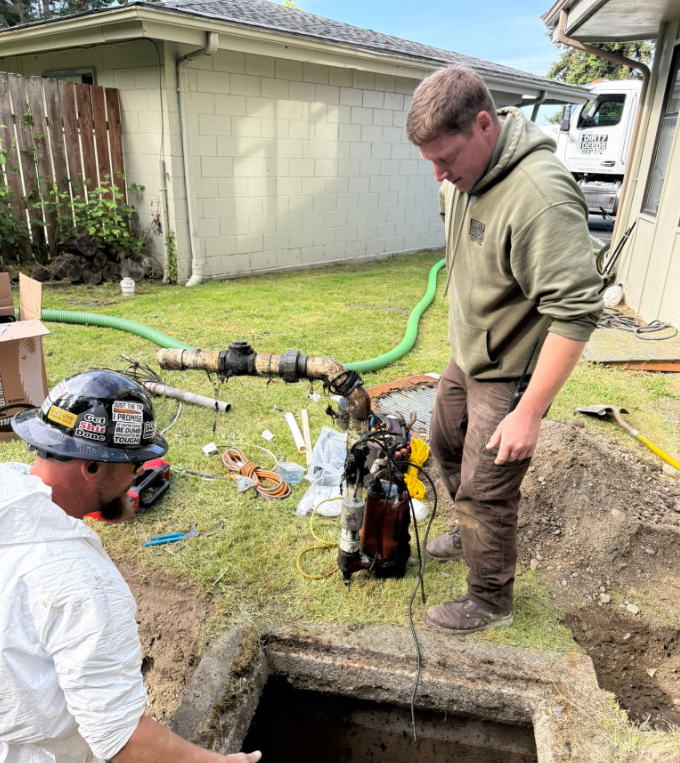
During inspections, pros measure sludge levels, check tank integrity, inspect baffles and filters, evaluate drain field health, test electrical components, and examine distribution boxes. At Dirty Deeds Septic, we perform licensed septic system inspections throughout Island and Skagit counties.
TRUTH BOMB: The “Set It and Forget It” Myth
The biggest lie: “If nothing’s wrong, I don’t need to do anything.” By the time symptoms appear, damage has often already happened. Proactive septic maintenance prevents problems—it doesn’t just react to them.
Protect Your Investment Starting Today
Your septic system is critical to your home, but it’s usually the most neglected part. The difference between a system lasting 30 years versus 10 years? Simple, consistent septic maintenance practices. Regular septic tank pumping, smart water use, careful disposal habits, protecting the drain field area, and professional inspections all work together to prevent septic backups and extend system life.
At Dirty Deeds Septic, we make septic system care easy for homeowners throughout Oak Harbor, Coupeville, WA, Anacortes, WA, and Whidbey Island, WA. We handle everything from routine drain field maintenance to emergency drain field repair, installations, and 24/7 emergency response. Our trained technicians understand that when issues arise, you can’t afford to wait.
Don’t wait for backups or warning signs. Get in charge of your septic system maintenance now. Call Dirty Deeds Septic at (833) 784-6592 for reliable professional service. Septic drain field problems don’t wait for business hours, so we’re open 24/7.