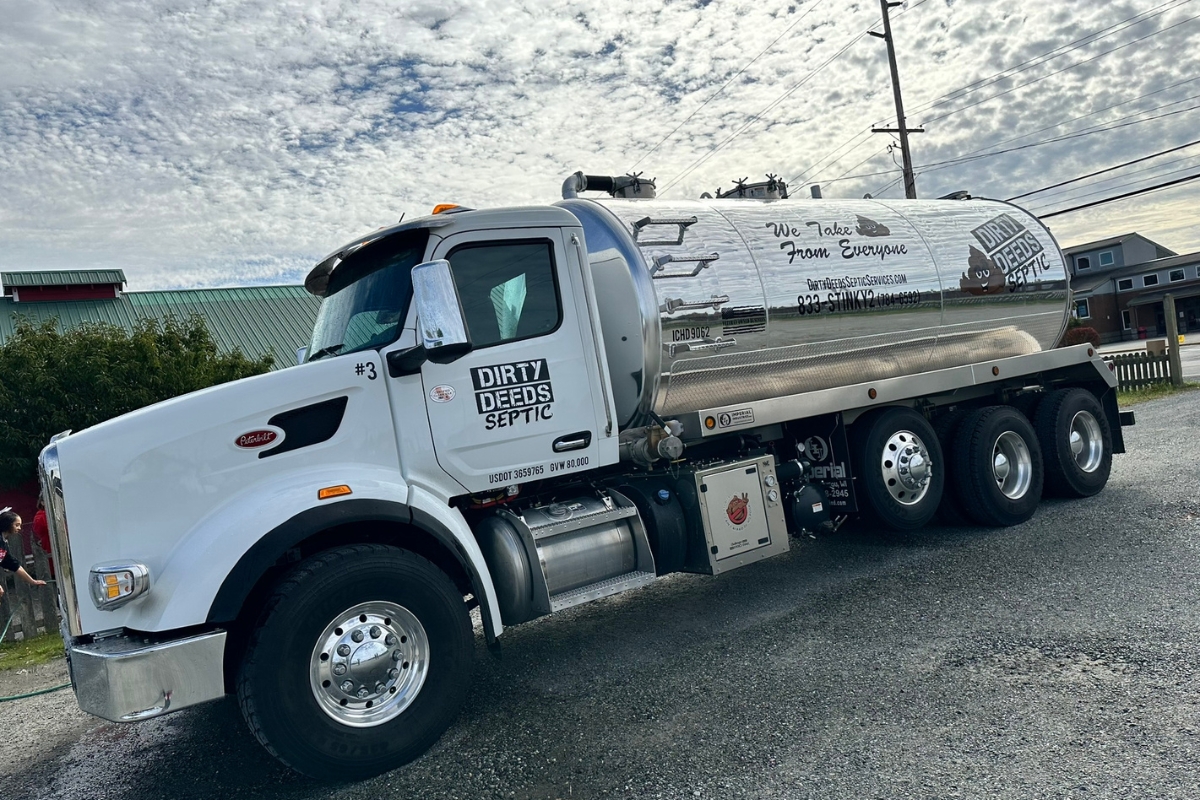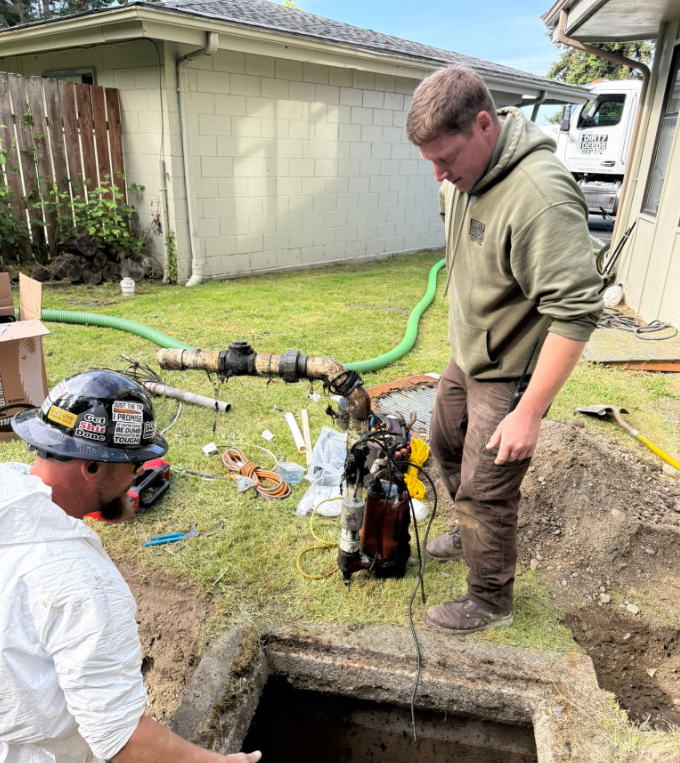
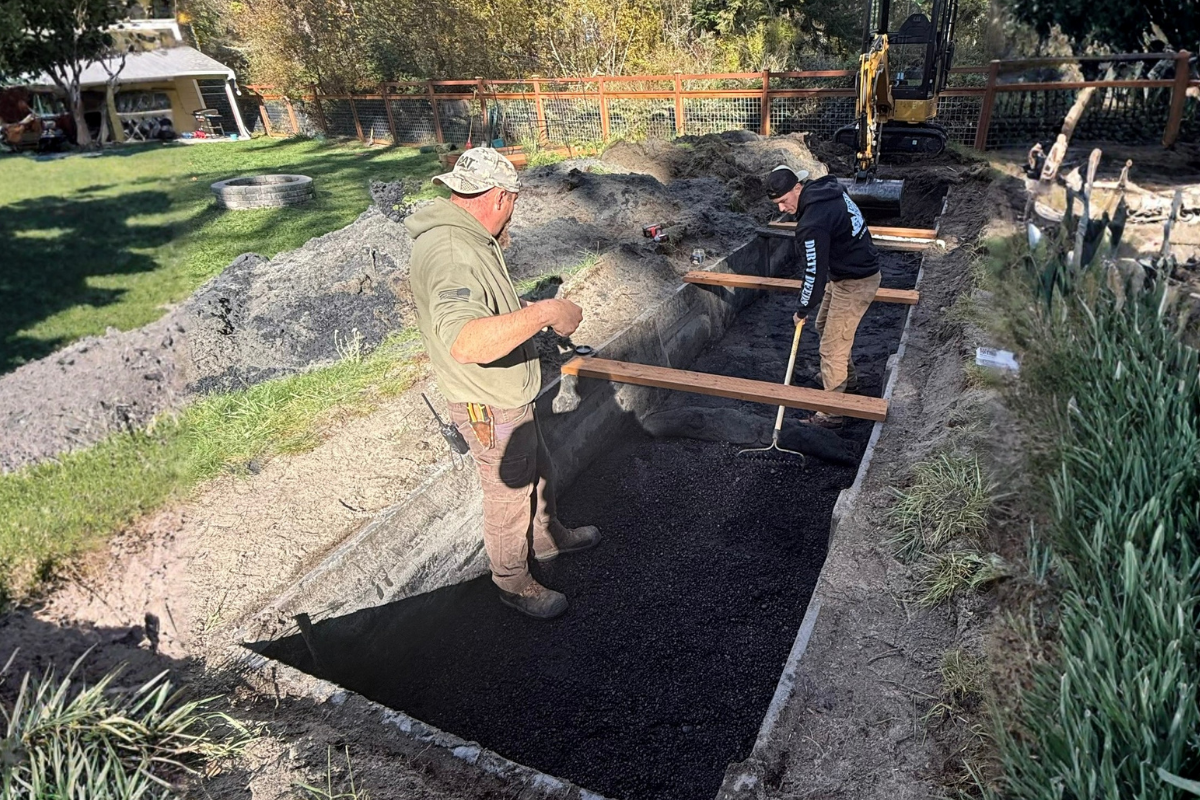
When a septic system at a commercial building or apartment complex stops working, it can cause a lot of problems. Polluted groundwater leads to a risk to public health, environmental damage spreads quickly, and breaking the law can have serious consequences. People who run large-capacity septic systems need to do more than just know the rules. They also need to protect public health and keep their businesses going. Properties using septic systems in Whidbey Island, WA, must follow strict federal and state requirements. You need to know how to do things right and keep up with them to stay compliant. Dirty Deeds Septic helps property owners follow these regulations while making sure their systems keep working.
This blog has all the information you need about large-capacity septic systems and the rules you need to follow when using them. It talks about federal requirements, basic maintenance, and how professional septic system service in Whidbey Island, WA, helps you stay in compliance.
What Defines a Large-Capacity Septic System?
A large-capacity septic system handles significantly more wastewater than residential systems. The EPA says that a system is “large-capacity” if it only gets sanitary waste and serves 20 or more people every day. This is applicable for more than one home, like apartments, as well as schools and restaurants that aren’t homes.
The EPA calls these Class V wells under the Underground Injection Control program. This program gives the federal government power to protect underground drinking water sources.
Common Facilities
Large-capacity septic systems usually serve many properties on Whidbey Island, WA, and Coupeville, WA:
- Apartment complexes and trailer parks
- Schools and religious places
- Shopping malls and office buildings
- Hotels, restaurants, and entertainment venues
- Campgrounds and RV parks
- Rest areas are transportation hubs
System Components
A well-designed system has a buried tank that gets rid of solids, an effluent distribution system that spreads treated water evenly, and a soil absorption area that filters the water naturally. The soil is very important because it cleans up pathogens and pollutants from wastewater before they get to groundwater. Some systems have grease traps or other advanced pre-treatment technologies to make them work better.
Regulatory Requirements By the Safe Drinking Water Act
The Underground Injection Control program lets the EPA protect underground drinking water. This has a direct effect on large-capacity septic systems that have certain needs.
Federal Requirements
There are two main rules that these systems must follow. First, owners must give their permitting authority basic information about their inventory, such as the type of well, the facility’s details, and the owner’s contact information. Second, your system can’t put underground drinking water sources at risk. This means stopping things like pathogens, solvents, and heavy metals from getting into drinking water. Federal law says that any contamination that could harm public health is against the law.
Authorization and Local Rules
Most large-capacity septic systems are “authorized by rule,” which means that if you meet federal minimums, you don’t need a separate permit. However, state and local regulations often make things even harder. For septic in Coupeville, WA, and nearby areas, local health departments check to see if systems are safe on the basis of soil type, hydrogeology, and system design.
If your system can handle anything other than sanitary waste, it is no longer considered a large-capacity septic system. The rules for industrial or vehicle maintenance waste are completely different because toxic chemicals can get into groundwater.
Importance of Proper Maintenance
Regular maintenance keeps your large-capacity septic system compliant with septic system regulations and stops expensive emergencies from happening.
Key Maintenance Activities
Septic tank pumping is fundamental to proper maintenance. As solids accumulate, treatment efficiency drops, and solids can reach drain fields, causing failure. We provide septic pumping in Whidbey Island, WA, Coupeville, WA, Oak Harbor, WA, and Anacortes, WA, based on your system’s needs.
Regular septic system inspection catches problems early. Our inspections check tank integrity, effluent levels, distribution function, and drain field capacity.
Maintenance Schedules
The size of the system determines how often it needs to be pumped. For systems that serve 20 to 50 people, pumping is needed every one to two years, and inspections are needed every year. Medium systems that serve 51 to 100 people need to be pumped every 6 to 12 months and checked twice a year.
Your actual schedule depends on system design, soil conditions, and usage patterns. We create customized plans for each client.
Warning Signs
Watch for slow drains, unpleasant odors, pooling water over the drain field, septic alarms, or gurgling plumbing. When you notice these, immediate septic system service in Whidbey Island, WA, prevents minor issues from becoming major problems. For urgent situations, we are available 24 hours a day.
Environmental Impacts of Mismanagement
Poorly managed large-capacity septic systems pose severe environmental hazards, showing why septic system compliance is important beyond merely evading penalties.
Groundwater Risks
Groundwater provides drinking water for many communities in Whidbey Island, WA. When systems break down, these resources are directly threatened by pollutants. Common problems include disease-causing pathogens, excess nutrients causing algal blooms, heavy metals, and various chemicals.
The risk of contamination depends on the type of soil, how groundwater moves, the characteristics of the wastewater, and how the system is set up. Taking care of these things properly lowers these risks a lot.
Surface Water Impact
Contaminated groundwater often flows into streams, lakes, and coastal waters, which can hurt aquatic ecosystems and make the water less clean. The Washington State Department of Health did a study and found that systems that weren’t well cared for put a lot of nitrogen into Puget Sound, which hurts fish populations and shellfish beds.
Best Practices
Using eco-friendly septic practices lowers the effect. Make sure to do regular maintenance, use water wisely, don’t flush dangerous chemicals down the drain, and fix problems as soon as they happen. As part of our septic inspection in Anacortes, WA, and Whidbey Island, WA, we also do an environmental assessment to help property owners understand how their system affects the environment.
Reporting Violations
Knowing what you need to report helps keep your septic system in compliance and protects the health of your community.
Operators must tell the permitting authorities about new installations, changes in ownership, system problems, unauthorized discharges, and planned closures. If you don’t report, you could face enforcement actions and legal trouble.
Citizens observing violations should report them to local health departments, state coordinators, or EPA Region 10. Include facility location, observed problems, and relevant details.
Sending out violation notices, administrative orders, civil penalties, revoking permits, or getting a court order are all ways to enforce the law. It’s always better to avoid trouble than to deal with the fallout.
How Dirty Deeds Ensures Compliance
Helps property owners stay in full compliance and also makes things work better. We keep detailed records of all the maintenance, inspections, and repairs we do so that we can show the authorities. We stay up to date on the septic systems regulations and tell our clients about them ahead of time. Our licensed technicians do thorough inspections that meet all standards, and our emergency service is available 24 hours a day to help right away when you need it.
We know that schools, hotels, commercial properties, and apartments all have different needs when it comes to running their businesses, so we customize our support for each type of facility.
Services for Large-Capacity Systems
Dirty Deeds Septic offers comprehensive services for large-capacity septic systems throughout the region.
Pumping Services
For effective pumping, we use cutting-edge tools. Our septic pumping services in Oak Harbor, Coupeville, WA, Anacortes, WA, and Whidbey Island, WA include emptying the tank completely, checking the inside, making sure everything is up to code, and making schedules that work for you.
Inspection Services
Our septic inspection in Anacortes, WA, and Whidbey Island, WA, provides a thorough evaluation with component inspection, integrity assessment, distribution testing, drain field evaluation, compliance verification, and detailed reports with recommendations.
Repairs and Emergencies
We respond quickly to repairs needed for your septic system in Whidbey Island, WA, or Coupeville, WA. We do drain field repairs, alarm response, component replacement, emergency pumping, and system rehabilitation.
Protecting Water Resources Through Proper Management
Understanding large-capacity septic systems and their regulations protects your facility, community, and environment. Federal requirements set the lowest standards, but local rules often require more. Professional maintenance and compliance are not optional; they are necessary to protect groundwater resources. Poorly managed systems can have negative effects on the environment, harming both the health of the ecosystem and the quality of the water in the area.
Dirty Deeds Septic helps property owners in Whidbey Island, WA, Coupeville, WA, and nearby areas to meet regulatory obligations. We offer reliable septic services in Anacortes, WA, and the surrounding area because our team has both technical and regulatory knowledge. We offer a large range of services to keep your septic system in good working order and in compliance with code. These include regular septic tank pumping, emergency repairs, and thorough septic system inspections.
Don’t wait for problems to get worse and turn into emergencies or violations. Call Dirty Deeds Septic at (833) 784-6592 Right now, set up your inspection or talk about what your facility needs. We’re here for you when you need us because we respond to emergencies. Let us take care of the dirty work so you can run your business with confidence.
Continue to read more >> Eco‑Safe Septic Practices in Whidbey Island: A Homeowner’s Green Guide